

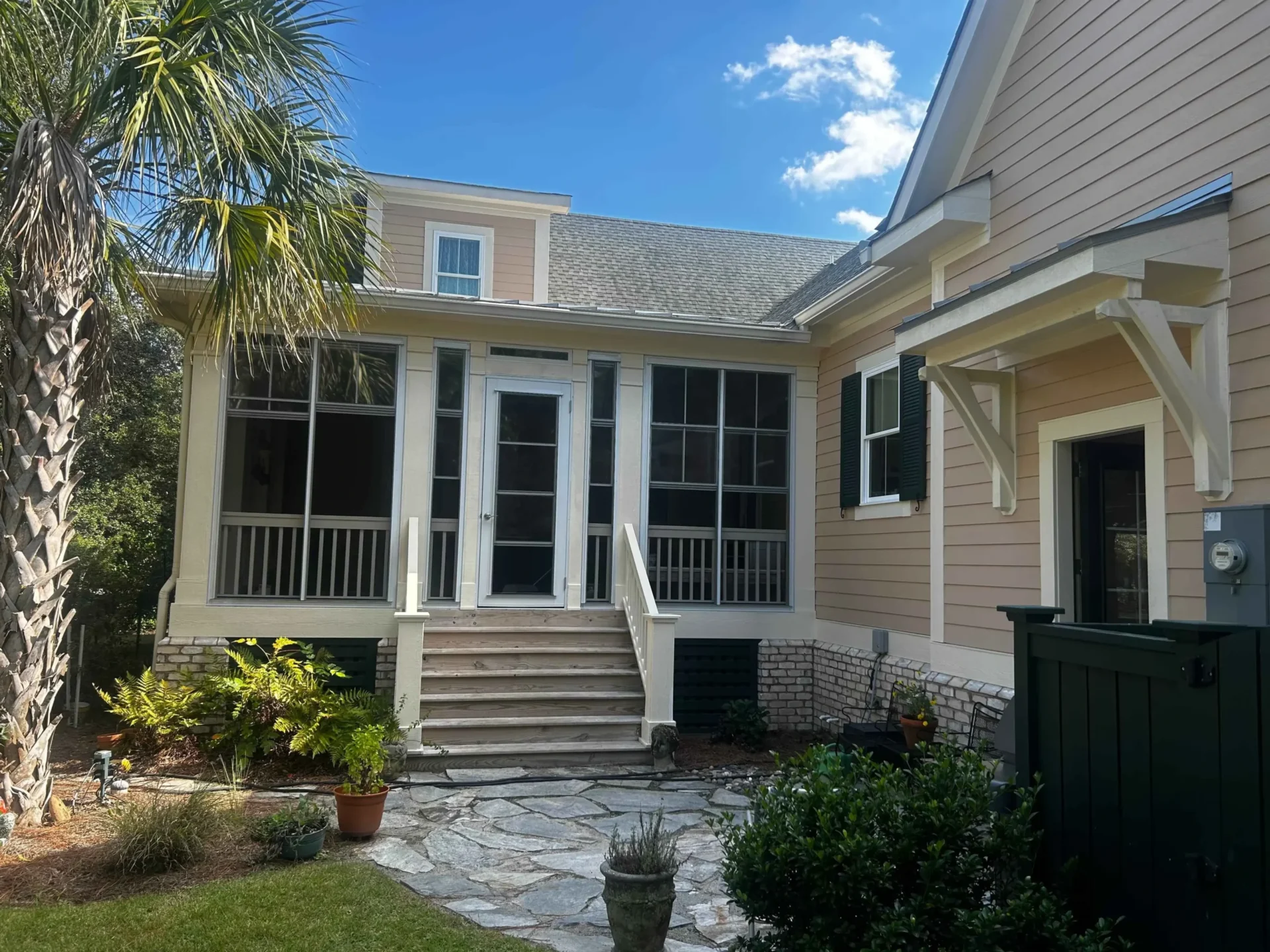
A 20×20 sunroom is one of the most popular sizes homeowners ask about. At 400 square feet, it’s large enough to use as a genuine living room, dining space, or home office, but not so large that it overwhelms most residential lots. So it’s a natural size to research when you’re starting to build a budget.
The problem is that most cost guides online throw out broad ranges with almost no context for what drives the numbers. You’ll see figures anywhere from $20,000 to over $100,000 for this size, and that spread isn’t very useful if you’re trying to plan a real project.
This guide breaks down what a 20×20 sunroom actually costs in the Wilmington and coastal NC market, what pushes prices higher or lower, and what to watch for when you’re comparing quotes.
Want a number specific to your property and sunroom type? Speak with a specialist who knows coastal NC pricing before locking in a budget.
Homeowners looking for a Sunroom dealer in Wilmington who can give them straight answers on pricing will find that the biggest cost variables aren’t the ones most people expect.
The Short Answer: What a 20×20 Sunroom Costs
A 400-square-foot sunroom in coastal North Carolina typically falls somewhere in these ranges, depending on the type of structure:
| Sunroom Type | Estimated Cost Range (20×20) |
| Three-Season Sunroom | $30,000 to $55,000 |
| Four-Season / Insulated Sunroom | $55,000 to $90,000+ |
| Thermal Sunroom (high-performance) | $75,000 to $100,000+ |
These ranges reflect installed costs, including materials, labor, permits, and a standard foundation setup. They don’t account for extras like HVAC systems, flooring upgrades, electrical work beyond basic lighting, or significant site preparation.
For a fuller picture of how coastal NC pricing compares to national averages, sunroom installation cost in coastal NC covers the regional factors that consistently push local prices above what national guides suggest.
What Drives the Cost of a 20×20 Sunroom
Size is just one input. Here are the factors that actually move the number in your specific project.
Sunroom Type and Insulation Level
This is the single biggest cost driver. A three-season sunroom uses lighter-gauge framing, single or basic double-pane glass, and doesn’t require climate control integration. A four-season insulated sunroom uses thermally broken aluminum frames, Low-E Argon gas glass, thick insulated roof and wall panels, and needs a heating and cooling solution. The materials alone are meaningfully more expensive, and the labor is more involved.
Choosing between these two isn’t just a budget decision. It’s a question of how you plan to use the space. If you want to use the room twelve months a year, the four-season build is the right one. If eight to ten months is enough, a well-built three-season room is more cost-effective.
Foundation and Site Prep
A 20×20 sunroom needs a solid, level foundation. If your home already has a usable patio slab in the right location, that saves you money. If not, you’re adding a concrete pour to the project cost. In coastal NC, soil conditions can complicate this further. Sandy or expansive soils sometimes require additional footings or pier systems to maintain stability.
Site prep costs on a straightforward job might add a few thousand dollars. On a more complex site with grading, drainage concerns, or poor soil conditions, that number climbs.
Roof System
Roof design significantly affects both cost and performance. A simple studio pitch roof is less expensive than a cathedral ceiling or a gable roof. Cathedral ceilings require more structural support and more material, but many homeowners find they make the space feel substantially larger and brighter.
Roof panel thickness also matters. Four-inch panels provide a solid baseline for most NC climates. Six-inch panels offer better insulation values and are worth the upgrade on a four-season build where you’re running HVAC.
Glass Specification
The glass in your walls and roof panels has a major impact on both price and comfort. Standard clear glass is the least expensive option, but it provides the worst thermal performance. Low-E glass with Argon gas fill reduces heat gain and loss significantly and is the appropriate spec for any sunroom you plan to climate-control.
In a hot coastal climate like Wilmington, solar heat gain coefficient (SHGC) matters a lot. Lower SHGC glass blocks more solar radiation, which keeps the room cooler in summer without relying entirely on the air conditioner. This is the kind of detail worth asking your contractor about directly.
HVAC and Electrical
A four-season sunroom needs a dedicated heating and cooling solution. A ductless mini-split is the most common approach. It handles both heating and cooling independently from your home’s main system, and it’s efficient for a single conditioned room.
Mini-split installation typically adds $3,000 to $6,000 to the project, depending on the unit size and complexity of the installation. If you plan to use the room as a home office or entertainment space, budgeting for additional electrical circuits and outlets is worth doing during the original build rather than retrofitting later.
Permits and Coastal Compliance
In North Carolina, a sunroom addition requires a building permit. In coastal counties, there may be additional requirements tied to CAMA (Coastal Area Management Act) setbacks or local flood zone regulations. Permit costs vary by municipality, but more importantly, the permit process affects your timeline and can occasionally require design adjustments.
Working with a contractor who has established relationships with local permit offices is genuinely valuable here. It reduces delays and surprises.
Why Coastal NC Prices Run Higher Than National Averages
If you’ve researched sunroom costs online, you may have seen national estimates that seem lower than the ranges above. There are a few reasons local pricing runs higher.
First, coastal humidity and salt air require higher-spec materials. Aluminum framing with quality powder-coat finishes, stainless steel fasteners, and properly sealed panels aren’t optional here. They’re what separates a sunroom that looks great after ten years from one that’s already showing corrosion and seal failure.
Second, labor costs in the Wilmington market reflect local demand and the specialized skill required for proper sunroom installation. A crew that installs pre-engineered sunroom systems correctly, with tight seals and proper drainage, is doing skilled work.
Third, permitting in coastal NC takes time and sometimes involves additional regulatory review that inland projects don’t require.
These aren’t reasons to avoid the investment. There are reasons to budget accurately and not chase the lowest quote without understanding what it includes.
What’s Usually Not Included in a Sunroom Quote
Most sunroom quotes cover the structure itself and its installation. But a few things commonly get added later and should be part of your planning budget:
- Interior flooring beyond the basic subfloor (tile, hardwood, or composite)
- Window treatments like blinds, shades, or sunshade panels
- Furniture and lighting fixtures
- Mini-split HVAC installation is quoted separately from the structure
- Electrical upgrades for dedicated circuits, USB outlets, or ceiling fans
- Landscape repair around the foundation after construction
Knowing this upfront prevents the frustration of seeing your “final” cost grow once you start furnishing and finishing the space.
Is a 20×20 Sunroom Worth the Investment?
For most homeowners in coastal NC who plan to stay in their home for several years, yes. A well-built sunroom adds usable square footage, improves daily quality of life, and can increase home resale value. The question is really about which type fits your needs and what a realistic total budget looks like.
Will a sunroom increase home value in NC covers the resale question in detail, including what buyers in this market actually respond to and how an enclosed, conditioned space compares to open outdoor additions in terms of appraisal impact.
Frequently Asked Questions
Is 20×20 a common sunroom size?
Yes. At 400 square feet, it’s one of the most frequently requested sizes because it’s large enough for real furniture and multiple uses, but manageable for most residential lots and budgets.
Can I build a 20×20 sunroom on an existing deck or patio?
Often yes, depending on the condition and structure of what’s already there. An existing deck or patio slab can reduce foundation costs if it’s structurally sound and properly positioned. Your contractor should assess this before finalizing the design.
Does sunroom size affect cost per square foot?
Yes, to a degree. Larger sunrooms often have a slightly lower cost per square foot because fixed costs like permits and mobilization get spread across more area. Smaller sunrooms sometimes cost more per square foot proportionally.
How long does it take to build a 20×20 sunroom?
Most sunroom installations in the Wilmington area run approximately 12 to 18 weeks from contract to completion, accounting for permitting, material lead times, and construction.
What’s the difference between a quote for a three-season and a four-season sunroom of the same size?
The materials are substantially different. Four-season builds use thermally broken frames, higher-performance glass, thicker insulated panels, and require HVAC integration. That’s the main reason for the cost gap, not simply labor.
Get a Quote You Can Actually Plan Around
Generic cost guides will only get you so far. The only way to know what a 20×20 sunroom will actually cost for your specific property, with your specific site conditions and design preferences, is to get a detailed quote from a contractor who knows the local market. Eastern Sunrooms has been building sunrooms across coastal North Carolina for over a decade. Contact our team to get a straightforward, itemized estimate with no pressure and no surprises.