

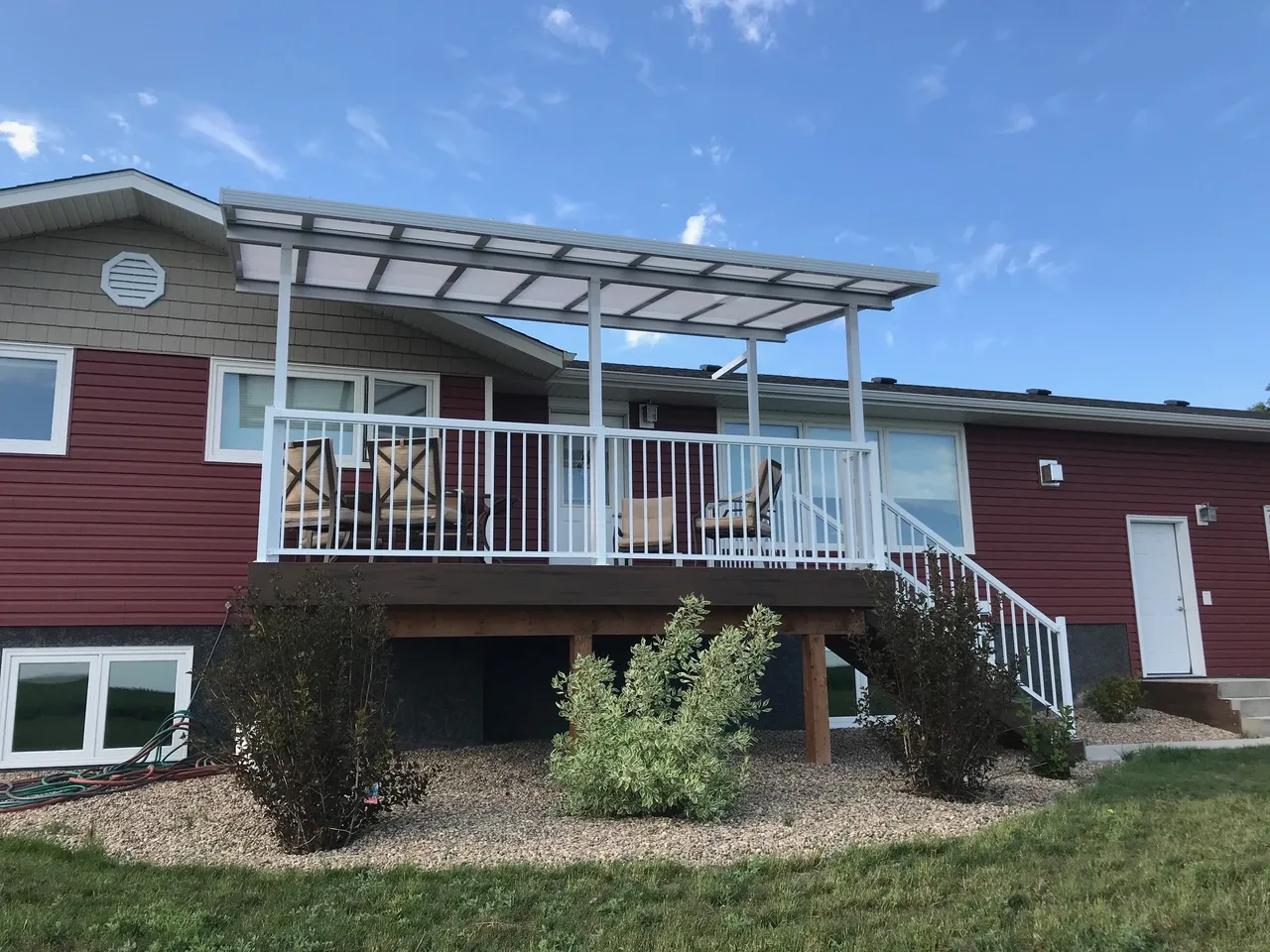
Picking a patio cover sounds simple until you actually start comparing options. Solid aluminum or acrylic panels? Insulated or single-skin? A traditional attached cover or a freestanding louvered pergola? Each choice performs differently in the Wilmington climate, and what works well on a shaded lot in Leland may be the wrong call for a sun-drenched backyard in Wrightsville Beach.
This guide covers every major patio cover type available to homeowners in coastal NC, what each one is built from, how it performs in salt air and summer heat, what it costs, and which situations it fits best. If you’re trying to figure out which direction makes sense before getting quotes, this is the right starting point.
Want a recommendation based on your specific lot, sun exposure, and budget? Contact our team for a free, no-pressure on-site consultation.
Homeowners exploring custom sunrooms in Wilmington and outdoor living options often find that a patio cover is the right first step before deciding whether to enclose the space further. Here’s the full picture of what’s available in this market.
Why Patio Cover Selection Matters More in Coastal NC
Most patio cover guides are written for generic climates. Coastal NC has specific conditions that make some cover types genuinely better choices than others, and understanding those conditions upfront saves you from making an expensive mistake.
Salt air and corrosion: Wilmington and Brunswick County sit close enough to the Atlantic and Cape Fear River estuary that salt air affects everything metal. Standard hardware, fasteners, and aluminum finishes that perform fine inland begin showing corrosion within a few years in this environment. Coastal-grade specifications aren’t optional here.
Summer heat and humidity: From June through September, direct sun on an uncovered or poorly covered patio raises surface temperatures significantly. The right cover type and panel material can drop the temperature underneath by 15 to 20 degrees, which determines whether the space gets used daily or avoided during peak summer.
Wind exposure: Depending on your property’s location and proximity to water, your patio cover needs to be engineered for coastal wind loads. A structure that passes inland NC code may not meet the requirements for a Brunswick County coastal zone.
Rain volume: Wilmington averages over 58 inches of rain annually, well above the national average. How a cover handles water drainage, particularly at the attachment point to your home, affects long-term performance as much as any other factor.
Type 1: Solid Insulated Aluminum Patio Covers
This is the most popular patio cover type for Wilmington homeowners, and for good reason. A solid insulated aluminum cover uses foam-core panels sandwiched between two aluminum skins, creating a thermal break that non-insulated single-skin covers don’t have.
How it’s built
The foam core, typically two to four inches thick depending on the system, separates the inner and outer aluminum faces. This construction prevents the outer panel from conducting heat directly to the interior surface the way a solid single-skin aluminum panel does.
The supporting structure uses extruded aluminum beams and columns, powder-coated in a range of colors. Posts attach to the existing concrete slab with appropriate footings, and the cover attaches to the home’s fascia or ledger board.
How it performs in coastal NC
Solid insulated aluminum covers perform well in this climate. They block 100% of direct sun and rain, the foam core meaningfully reduces heat transfer, and properly spec’d aluminum with a quality powder-coat finish resists salt air corrosion. Drainage is built into the panel system, which handles Wilmington’s rain volume without pooling or leakage when properly installed.
The main consideration in coastal environments is fastener and hardware specification. Stainless steel or hot-dip galvanized fasteners throughout, not standard zinc-plated hardware, is the correct spec for properties within several miles of the water.
Best for
Homeowners who want maximum shade and rain protection, plan to use the covered area year-round, and want low ongoing maintenance. Works well with ceiling fans, lighting, and eventual screen or panel additions if you want to enclose the space later.
Cost range
A professionally installed insulated aluminum patio cover at a common 20×20 footprint typically runs $14,000 to $22,000 in the Wilmington market. Size, attachment complexity, panel thickness, and site conditions all affect the final number.
Type 2: Acrylic Panel Patio Covers
An acrylic patio cover uses translucent or tinted acrylic panels in place of solid aluminum skins. The structural framing is similar, but the roof surface transmits light rather than blocking it completely.
How it’s built
Corrugated or flat acrylic panels are set into aluminum framing channels. The panels come in clear, lightly tinted, and heavily tinted options, which affects how much light passes through and how much solar heat gain results. Some acrylic systems incorporate a small air gap between panels and framing, which provides limited insulation value.
How it performs in coastal NC
Acrylic covers create a brighter space underneath than solid aluminum covers, which is a genuine advantage for homeowners who want natural light. On overcast days in coastal NC’s gray winter stretches, the difference in ambiance between an acrylic-covered and solid-covered patio is noticeable.
The trade-off is summer heat. Even tinted acrylic allows more solar heat transmission than an insulated solid panel. Clear acrylic in particular can make the space uncomfortably warm during July and August afternoons. Tinted acrylic panels reduce this significantly, and pairing any acrylic cover with ceiling fans helps manage the remaining heat.
For seasonal use focused on spring and fall, or for north-facing or shaded patio orientations, acrylic covers perform very well. For south-facing spaces used heavily in summer, an insulated solid cover or a combination system is usually the more practical choice.
Acrylic covers are also commonly used on sunrooms as the glazed roof section, where natural overhead light is a design priority. Winter-proofing your outdoor space with acrylic patio covers covers how acrylic performs specifically during the colder months in coastal NC.
Best for
Homeowners who prioritize natural light over heat control, have shaded or north-facing patios, primarily use the space in spring and fall, or want a lighter, more open aesthetic than a solid cover provides.
Cost range
Acrylic panel covers at a 20×20 footprint typically run $16,000 to $24,000 installed in this market, slightly more than solid aluminum due to the panel material cost.
Type 3: Hybrid Patio Cover Systems
A hybrid cover combines solid insulated panels in some areas with acrylic or louvered sections in others. The most common configuration uses solid insulated panels across the main roof span with an acrylic skylight strip near the house attachment point, which brings in natural light from the interior edge of the cover.
How it performs in coastal NC
Hybrid systems offer the most design flexibility of any fixed cover type. You get the heat reduction of an insulated solid panel across most of the roof while the acrylic strip provides natural overhead light without exposing the full space to solar heat gain. The net result is a brighter interior than a solid cover with better heat control than a full acrylic cover.
For homeowners who want both light and shade protection, and who are willing to pay for a more complex installation, hybrid systems deliver a genuinely better result than either single-material option.
Best for
Homeowners with a moderate to large patio where both natural light and summer comfort are priorities, or where the interior of the home benefits from additional daylight through the covered transition space.
Cost range
Hybrid systems typically run $22,000 to $32,000 or more at a 20×20 footprint, depending on the panel configuration and structural complexity.
Type 4: Louvered Pergola Systems
A louvered pergola is a fundamentally different product from a fixed patio cover. Rather than static panels, a louvered pergola has adjustable aluminum slats that rotate from fully open to fully closed. When open, the slats allow direct sun and airflow through. When closed, they shed rain and block sun like a solid roof.
How it’s built
The slat system typically runs on a motor and can be controlled by a wall switch, remote, or smartphone app. High-end louvered systems include sensors that close the slats automatically when rain is detected. The supporting structure uses heavy-duty extruded aluminum posts and beams, which in coastal-spec versions are powder-coated for salt air resistance.
Optional accessories include integrated LED lighting in the slats themselves, retractable screen walls on the sides, and heating strips within the slat system.
How it performs in coastal NC
A louvered pergola performs well in coastal NC’s variable weather precisely because it adapts to conditions. On a cool October afternoon, you can have the slats fully open. During a summer squall, the slats close and the space stays dry. In peak July heat, partially angled slats provide shade without eliminating airflow.
The open position also provides full natural ventilation, which makes louvered pergolas popular with homeowners who love the open-air feel but want the option to close up during weather events.
The primary limitations are rain sealing and noise. When closed, quality louvered systems are water-resistant but not fully waterproof in the way a fixed cover is. In heavy rain, some water can enter around the slat edges. Wind-driven rain specifically can find its way through in a coastal storm. And motorized slat systems are mechanically more complex than fixed covers, which means more components that can eventually need service.
Best for
Homeowners who want maximum flexibility between open-air and covered conditions, value the aesthetic of an open pergola structure, and are comfortable with the higher cost and maintenance complexity relative to fixed covers.
Cost range
Louvered pergola systems in the Wilmington market typically run $25,000 to $50,000 or more depending on size, accessories, and brand. They represent the highest upfront investment of any patio cover type.
Type 5: Simple Non-Insulated Aluminum Covers
Single-skin aluminum covers, sometimes called patio awnings or basic aluminum covers, use a single layer of aluminum roofing without a foam core. They’re structurally simpler and less expensive than insulated systems.
How it performs in coastal NC
Honestly, a non-insulated single-skin aluminum cover is a difficult recommendation in the Wilmington climate. The single aluminum skin absorbs heat directly from the sun and can radiate it downward, making the space underneath uncomfortably warm on summer afternoons. It provides shade and rain protection but does nothing to reduce thermal transmission, which is the main complaint we hear from homeowners who have them.
They’re also susceptible to noise during rain events, which the foam core of an insulated panel absorbs. Heavy Wilmington rain on a single-skin aluminum roof is loud.
Where they make practical sense is as a short-term solution on a tight budget, or for a space that gets very limited sun exposure and is used primarily for shade rather than heat reduction.
Best for
Budget-constrained projects where the primary goal is rain protection and shade, and summer heat is not a significant concern due to orientation or tree cover.
Cost range
Typically $8,000 to $14,000 installed at a 20×20 footprint, making it the lowest-cost fixed cover option.
How the Types Compare
| Cover Type | Heat Reduction | Rain Protection | Natural Light | Adjustability | Coastal Durability | Relative Cost |
| Solid Insulated Aluminum | Excellent | Full | None | None | High | Moderate |
| Acrylic Panel | Moderate | Full | High | None | High | Moderate-High |
| Hybrid | Good | Full | Moderate | None | High | Higher |
| Louvered Pergola | Good (variable) | Good | Variable | Full | High (quality spec) | Highest |
| Non-Insulated Aluminum | Poor | Full | None | None | Moderate | Lowest |
Which Type Is Right for Your Wilmington Property?
A few questions help narrow the field:
How much do you use the space in summer?
If July and August are your primary outdoor months, heat reduction is the dominant factor. Solid insulated aluminum is the most reliable choice. An acrylic cover without significant shade or tree cover will limit your summer use noticeably.
How important is natural light?
If you want a bright, airy feel under the cover or want to bring daylight into adjacent interior rooms, acrylic or a hybrid system serves that goal better than solid aluminum.
Do you want the flexibility to open and close the cover?
If yes, a louvered pergola is the only fixed-cover option that provides this. Everything else is static.
What’s your maintenance tolerance?
Louvered systems are mechanically complex. Fixed covers with quality aluminum and powder-coat finishes are essentially maintenance-free in a well-spec’d coastal installation.
Are you planning to enclose the space later?
If you’re thinking about adding screen walls or full porch windows in the future, a solid insulated aluminum cover with appropriate framing is the best foundation for that upgrade. Plan the framing with future enclosure in mind from the start.
What are your wind and structural requirements?
Properties in higher-risk coastal zones or flood-mapped areas may have specific engineering requirements that affect which systems qualify. Your contractor should assess this before finalizing a design.
Coastal NC Permitting for Patio Covers
Any patio cover attached to your home’s structure requires a building permit in NC municipalities. In Brunswick and New Hanover County, coastal zone properties may have additional requirements tied to CAMA setbacks, and flood-mapped properties may face FEMA elevation constraints.
Eastern Sunrooms handles permit applications as a standard part of every project. We assess your property’s regulatory situation early in the design process so there are no surprises during installation. For a broader look at how setback rules affect outdoor additions in NC, sunroom setback rules in North Carolina covers the regulatory framework in detail.
From Patio Cover to Porch Enclosure
Many homeowners start with a patio cover and later decide they want more protection from insects, wind-driven rain, or temperature extremes. A well-designed solid insulated cover built with future enclosure in mind can be fitted with WeatherMaster panel systems or screen walls, effectively converting it into a three-season or four-season space.
This phased approach lets you spread the investment over time. The key is working with a contractor who builds the initial cover with compatible framing from the start, so the enclosure addition doesn’t require structural changes to what was already installed.
Frequently Asked Questions
What’s the most popular patio cover type in Wilmington, NC?
Solid insulated aluminum covers are the most commonly installed type in this market. They handle Wilmington’s heat, humidity, and rain volume well, require minimal maintenance with the right coastal material spec, and serve as a good foundation if you decide to enclose the space later.
Does a patio cover require a permit in NC?
Yes. Any patio cover attached to your home’s structure requires a building permit in North Carolina. Coastal county properties may have additional CAMA or flood zone requirements depending on their location. A reputable contractor handles permitting as part of the project scope.
How do I know if an insulated or acrylic cover is better for my patio?
The main factor is sun exposure and how you use the space in summer. A south or west-facing patio used heavily in July and August benefits most from an insulated solid cover’s heat reduction. A shaded, north-facing, or spring-and-fall-focused patio is a better fit for acrylic’s natural light advantages.
Can I add screens or walls to a patio cover later?
Yes, provided the cover was designed with future enclosure in mind. Framing height, column placement, and panel compatibility all affect whether adding screens or porch window panels is a straightforward upgrade or a more involved structural change. Discuss this intention with your contractor before finalizing the initial design.
How long does a quality patio cover last in coastal NC?
A properly installed insulated aluminum cover with coastal-grade hardware and powder-coat finish should last 25 to 30 years with minimal maintenance. A louvered pergola’s mechanical components have a shorter service life and will require periodic maintenance or part replacement. Non-insulated single-skin aluminum covers are also long-lasting structurally but may show cosmetic wear sooner in harsh coastal conditions.
What’s the difference between a patio cover and a pergola?
A traditional pergola has an open lattice or slatted roof that provides partial shade but no rain protection. A louvered pergola has adjustable aluminum slats that can close fully for weather protection. A patio cover has a solid or translucent fixed roof that provides complete rain protection. The naming overlaps in common use, so it’s worth clarifying what roof system is actually being proposed when you get quotes.
Will a patio cover affect my homeowner’s insurance?
It can, particularly if it adds square footage to your home or is classified as a permanent structure. Notify your insurer after installation so coverage reflects the new structure. An unpermitted cover may complicate coverage if a claim involves that area of the property.
Talk to Our Team About Your Project
Every property in coastal NC is different. Lot orientation, sun exposure, existing slab condition, HOA requirements, proximity to the water, and how you plan to use the space all shape which patio cover type makes the most sense. Eastern Sunrooms has been installing patio covers across Wilmington and Brunswick County for over a decade. Contact our team for a free on-site consultation and a detailed, itemized quote with no pressure.