

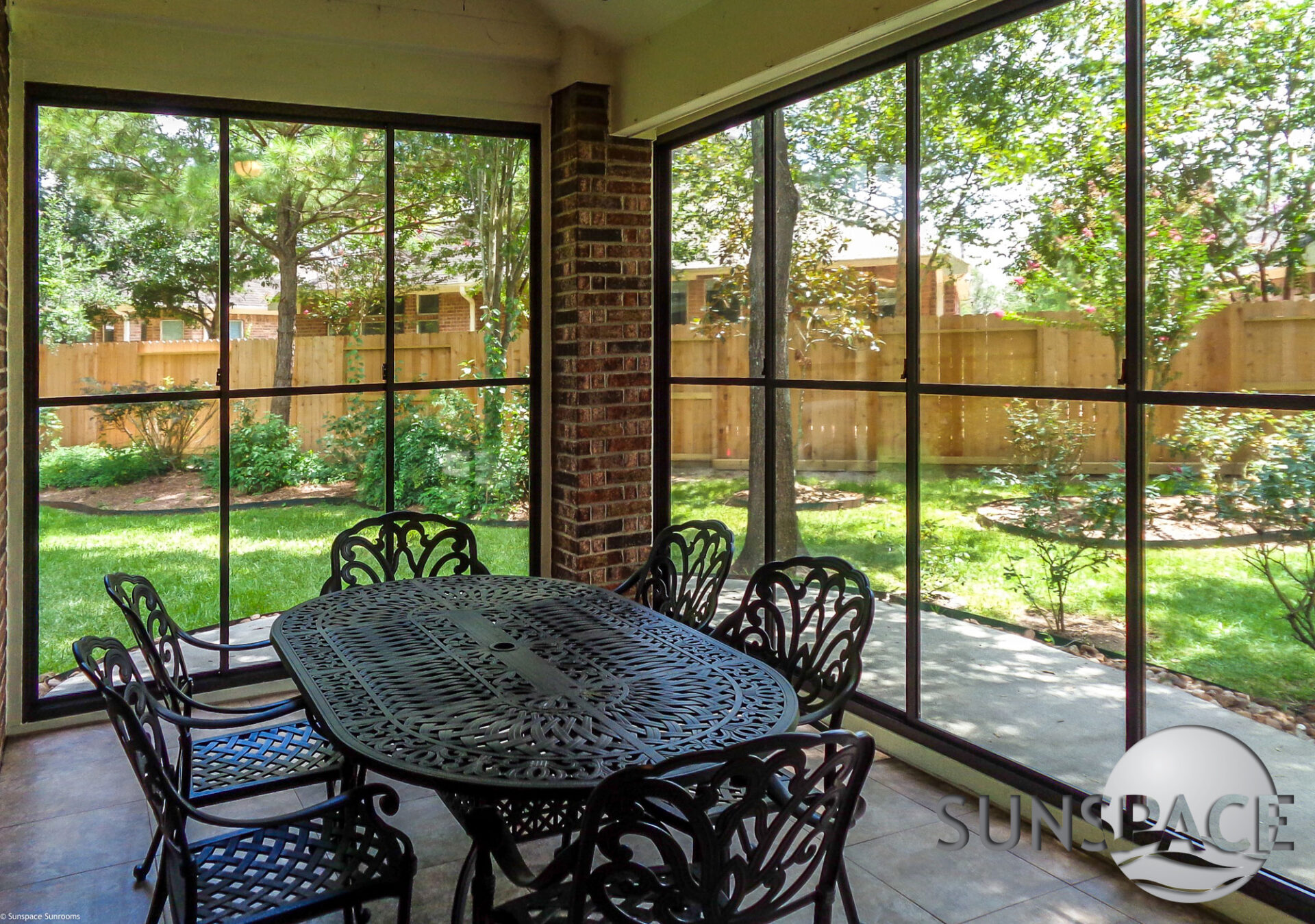
Natural light does something to a space that artificial lighting simply can’t replicate. It changes how a room feels at different times of day, makes spaces feel larger and more connected to the outside, and has well-documented effects on mood and well-being. For homeowners in Wilmington and coastal North Carolina, a WeatherMaster sunroom is one of the most practical ways to bring more of that light into daily life without giving up weather protection or bug control.
This article covers how WeatherMaster windows and sunroom systems are specifically built to optimize natural light, what design decisions affect how much light you actually get, and how to get the most out of a coastal NC sunroom in terms of both brightness and comfort year-round.
Thinking about adding a sunroom designed to maximize natural light? Contact our team for a free, no-pressure design consultation.
Homeowners exploring Sunroom design Wilmington options often prioritize natural light as one of their top goals. Here’s how the WeatherMaster system delivers on that, and what to think about during the design phase to get the result you’re after.
How WeatherMaster Windows Are Built for Light
WeatherMaster windows use ViewFlex vinyl glazing rather than traditional glass. The panels are clear, UV-resistant, and lightweight, which means they transmit natural light well without the yellowing or hazing that lower-grade vinyl products develop over time in coastal sun exposure.
The four-track vertical stacking system is the key feature for light maximization. Each panel slides up or down independently, and you can open up to 75% of the total window area when the weather allows. On a clear October morning in Wilmington, you can stack the panels and have the full opening available, which creates a completely unobstructed connection between your indoor space and the outdoors. That’s meaningfully different from a fixed glass wall.
The aluminum framing is intentionally slim. Bulky frames reduce the glazed area and cast more shadow. WeatherMaster’s extruded aluminum profiles keep the structural sightlines narrow, which keeps more of the wall area transparent and maximizes the light that reaches the interior.
Orientation Makes the Biggest Difference
The single most important decision for natural light in a WeatherMaster sunroom is which direction it faces. No amount of glazing compensates for poor orientation, and getting this right during the design phase costs nothing.
South-facing sunrooms receive the most consistent natural light across all seasons. In coastal NC’s latitude, south-facing glass captures low-angle winter sun during the colder months and overhead summer sun when shading is more important than light collection. A south-facing WeatherMaster sunroom is the best choice if maximizing year-round light is the primary goal.
East-facing sunrooms get strong morning light and relatively cool afternoons. If you primarily use the space for morning coffee, reading, or working from home earlier in the day, an east orientation is often ideal.
West-facing sunrooms get afternoon and evening light, which is appealing for entertaining and sunset views. The trade-off is more direct afternoon sun in summer, which can create glare and heat gain. Sunshade panels or tinted WeatherMaster glazing options help manage this.
North-facing sunrooms get the least direct sunlight. They can still be pleasant spaces with diffuse natural light, but they’re not the right choice if maximizing brightness is the priority.
If your home’s layout limits your orientation options, discuss it during the design consultation. Sometimes a slight angle adjustment or a change in where the sunroom attaches to the house changes the light picture significantly.
Tint Options and What They Affect
WeatherMaster panels are available in four tint options: clear, smoke gray, bronze, and dark gray. The choice affects how much light enters, how much heat the glazing blocks, and how the space looks from outside.
Clear panels transmit the most light but provide the least solar heat control. They’re the right choice for homeowners who want maximum brightness and are using the room primarily in cooler months or shaded orientations.
Smoke gray and bronze tints reduce glare and cut solar heat gain noticeably, which makes them a practical choice for south or west-facing sunrooms in Wilmington’s hot summers. Light transmission is reduced, but the space still feels bright, just without the harsh direct glare that clear panels can produce on a sunny July afternoon.
Dark gray tint offers the most heat reduction and privacy but the least light transmission. It’s typically chosen for high-sun-exposure orientations where controlling summer heat is more important than maximizing brightness.
For most coastal NC homeowners who want both good natural light and a comfortable summer space, smoke gray or bronze panels on south and west exposures strike the right balance. Clear panels work well on east-facing or shaded orientations where summer heat isn’t the primary concern.
The Role of Sunshades in a Light-Optimized Sunroom
Adding sunshade panels to a WeatherMaster sunroom gives you independent control over light and privacy at any time of day. Sunspace Sunlight Illuminated Valences, for example, provide indirect LED lighting while the external shades manage incoming sunlight.
You can have the WeatherMaster panels fully open for airflow and adjust the shade panels to reduce direct sun without blocking the view or the breeze. It’s a level of control that a fixed glass wall simply doesn’t offer, and it’s one of the practical advantages of the WeatherMaster system over more enclosed sunroom structures.
This combination is worth thinking about during the design phase rather than retrofitting later. Running the shade tracks at installation is significantly less expensive than adding them to a finished sunroom.
Natural Light and Wellbeing in a Coastal NC Context
Coastal NC winters are mild by national standards, but they still bring gray stretches that can last several days at a time. A well-oriented WeatherMaster sunroom provides meaningful natural light exposure even on overcast days, which matters for mood and energy levels during the shorter daylight months.
Research on light exposure and wellbeing consistently shows that natural light, even diffuse daylight on an overcast day, is more effective at regulating circadian rhythms than artificial light. A sunroom used regularly for morning routines, meals, or work provides this exposure in a way that sitting inside your home’s interior rooms doesn’t replicate.
For homeowners who work from home or spend significant time indoors, this isn’t a secondary consideration. It’s often one of the primary reasons people find they use their sunroom more than any other room in the house.
Getting the Design Right from the Start
A few decisions during the design phase determine how much natural light your WeatherMaster sunroom actually delivers in daily use:
- Orientation matters more than any other single factor
- Panel tint should match your sun exposure and season priorities
- Frame height affects how much of the wall is glazed versus solid
- Roof system choice affects whether light enters from above as well as the sides
- Sunshade integration should be planned upfront rather than retrofitted
The right combination depends on your specific lot, your home’s existing structure, and how you plan to use the space. Discussing these details during a site visit, before any design is finalized, is the most efficient way to get the outcome you’re looking for.
For more on how WeatherMaster windows perform specifically as a product, including materials, durability, and coastal maintenance, the complete WeatherMaster windows review covers all of that in depth.
Frequently Asked Questions
Which direction should a sunroom face to get the most natural light?
South-facing is the best orientation for consistent year-round light in coastal NC’s latitude. East-facing rooms get strong morning light, west-facing rooms get afternoon and evening sun, and north-facing rooms receive the least direct sunlight. If your layout limits options, a design consultation can identify whether small adjustments change the light picture meaningfully.
Do WeatherMaster panels yellow over time and reduce light transmission?
WeatherMaster uses ViewFlex vinyl, which is UV-resistant and doesn’t yellow under normal conditions. Using the correct cleaners, specifically mild soap and water rather than ammonia-based products, maintains the panels’ clarity over time.
Will a tinted panel make my sunroom feel dark?
Smoke gray and bronze tints reduce direct glare and solar heat gain while still transmitting enough light to keep the space feeling bright and open. Only the dark gray tint noticeably reduces ambient light levels. For most homeowners, smoke gray or bronze is the right compromise between light and summer heat control.
Can I add sunshades to an existing WeatherMaster sunroom?
Yes, sunshades can be retrofitted, but planning them at installation is more cost-effective and gives cleaner results. If you’re designing a new sunroom and think you might want shades later, ask about running the tracks and mounting points during the original build.
Does more glass mean a hotter sunroom in summer?
Not necessarily. Tinted glazing and proper ventilation manage summer heat effectively. A WeatherMaster sunroom with appropriate panel tint, good airflow through the stacking panel system, and ceiling fans stays comfortable through most of the Wilmington summer without active cooling. For peak summer comfort, a mini-split paired with the sunroom is the most reliable solution.
Talk to Our Team About Your Sunroom Design
Every property in Wilmington and coastal NC is different. Lot orientation, existing tree cover, roofline, and how you plan to use the space all shape what the right design looks like. Eastern Sunrooms has been designing and installing WeatherMaster sunrooms across coastal NC for over a decade. Contact our team for a free design consultation with no pressure and no obligation.