

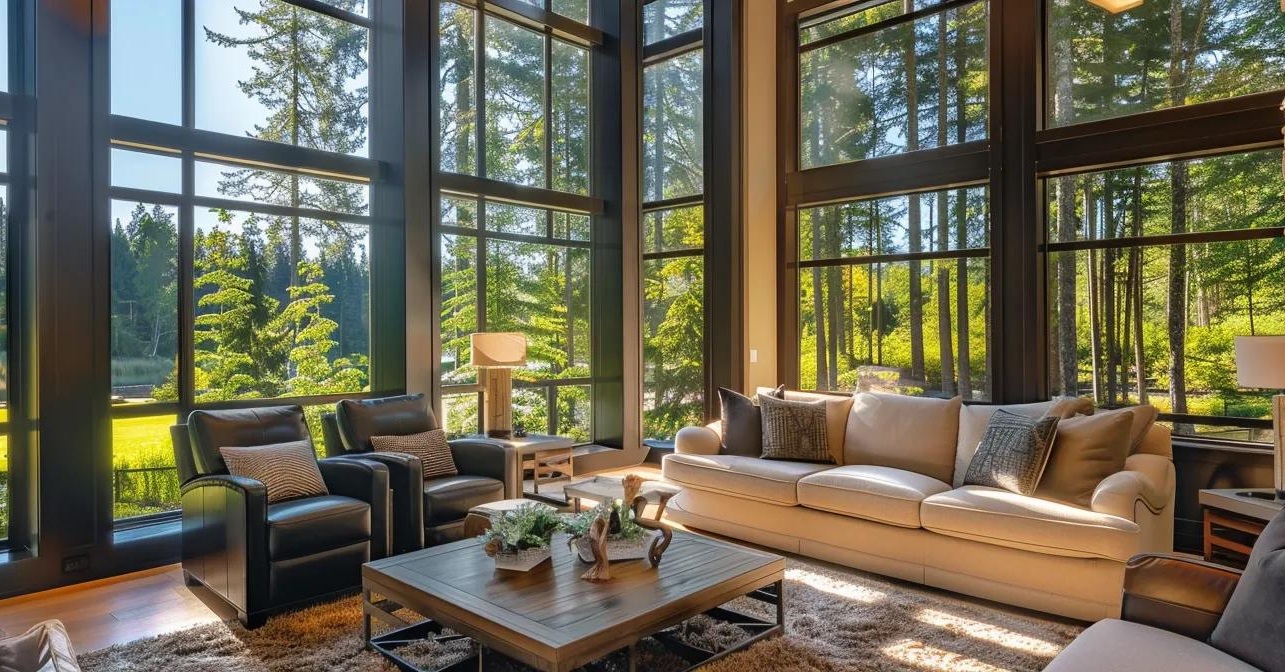
If you’re thinking about adding a sunroom to your Wilmington or coastal NC home, you’re likely asking two questions at once: will this actually increase what my home is worth, and is it worth the investment for the time I plan to stay here? Both are the right questions to ask, and the answers are connected.
This article covers what a sunroom realistically does to your home’s market value in coastal NC, the ROI numbers you can expect by type, what appraisers actually look at, and the long-term lifestyle benefits that don’t show up in a property listing but matter just as much to the decision.
Want to talk through your specific project and what it might return? Contact our team for a free, no-obligation consultation.
Homeowners researching Sunroom Designs Wilmington often focus on one side of the equation or the other, either the financial return or the daily enjoyment, but the strongest case for a sunroom investment is when both align. Here’s the full picture.
What the Data Says: Sunrooms and Home Value in NC
The short answer is yes, a professionally installed sunroom increases home value in NC, particularly in coastal markets where indoor-outdoor living is genuinely prized by buyers.
According to Remodeling Magazine’s Cost vs. Value Report, homeowners in the Southeast see strong returns on sunroom additions, with four-season rooms performing best because they provide year-round functionality that buyers can actually use. The specific ROI numbers break down by type:
| Sunroom Type | Estimated ROI | Notes |
| Three-Season Room | 50% to 65% | Lower cost, limited to mild seasons |
| Four-Season Insulated Room | 65% to 80% | Full HVAC, year-round comfort |
| Porch Conversion | 55% to 75% | Budget-friendly, faster build |
These aren’t guaranteed numbers; they depend on build quality, market conditions, and how the addition is permitted and finished. But they reflect a consistent pattern: a well-built sunroom returns more than most comparable home improvement projects, and it does so while delivering daily lifestyle value in the meantime.
Why Coastal NC Is a Strong Market for Sunroom ROI
A few factors specific to the Wilmington and Brunswick County market push sunroom ROI higher than the national average:
Mild year-round temperatures
Even a three-season sunroom is usable most of the year in coastal NC. Buyers recognize this. A space that gets used ten months a year is worth more than one that sits empty in summer and winter.
Coastal buyer profile
Retirees, remote workers, and vacation homeowners make up a significant share of buyers in this market. These buyers actively prioritize indoor-outdoor connection, natural light, and flexible living space, exactly what a sunroom delivers.
Limited indoor square footage in many coastal homes
Older coastal cottages and ranch-style homes common in the area often lack the bonus room or flex space buyers want. A sunroom fills that gap immediately.
What Appraisers Actually Count
How a sunroom affects your formal appraisal depends on how it’s built. Many appraisers will include a sunroom in your home’s livable square footage when it meets these criteria:
- Connected to central HVAC or has a dedicated heating and cooling unit
- Built with energy-efficient windows and insulated walls
- Permitted and code-compliant
A four-season insulated sunroom that meets all three criteria is the most likely to count as conditioned square footage in a formal appraisal. A three-season room or porch conversion is less likely to count toward square footage but still improves perceived value and buyer appeal, particularly in competitive markets like Wrightsville Beach and Carolina Beach where listings with outdoor living amenities stand out.
Even when not formally included in square footage, a well-designed sunroom can set a listing apart and drive stronger offers from buyers who are comparing similar homes.
The Long-Term Lifestyle Value
Beyond what a sunroom does to your appraisal, there’s the daily quality-of-life value that compounds over the years you own the home. This is harder to put a number on, but it’s real, and it affects how you use your home for years before you ever sell it.
A sunroom adds a genuinely versatile space. Depending on your household, the same room can serve as a home office with natural light, a yoga or exercise space, a reading room, a kids’ playroom, an entertainment space for guests, or a garden room for plants that need more light than your interior allows. That flexibility makes it one of the few home additions that adapts to your changing needs rather than being locked into a single function.
It also extends your daily connection to the outdoors without the limitations of an open porch. You can have morning coffee overlooking your yard in January. You can sit in natural light while it’s raining in August. That consistent daily enjoyment is part of what makes sunroom owners consistently happy with the investment years after the build.
Is a Porch Conversion Worth It?
If you already have a screened porch or covered patio, converting it into a sunroom is typically one of the most cost-effective upgrades available. You’re reusing the existing roof and floor structure, which reduces the build cost significantly compared to a ground-up addition.
A porch conversion to a three-season room typically comes in at a lower cost than new construction, while delivering most of the same lifestyle benefits and a solid ROI at resale. For homeowners who want to improve their home’s value without a major construction footprint, it’s often the smartest starting point.
How to Maximize Your Sunroom’s ROI
A few decisions during the build have an outsized impact on what the sunroom returns:
Get permits and build to code
An unpermitted addition creates problems at resale; buyers’ attorneys find it, and it either needs to be permitted retroactively or negotiated out of the sale price. Permitting from the start protects your investment.
Choose materials rated for coastal conditions
In Wilmington’s salt-air environment, framing, hardware, and glazing need to be specified for coastal durability. A sunroom that shows corrosion or degradation within five years doesn’t add the value you paid for. Powder-coated aluminum framing and corrosion-resistant hardware aren’t optional here.
Use a professional installer
DIY sunroom kits and unlicensed contractors typically produce work that appraisers and home inspectors flag. A professionally installed sunroom by an established local contractor, built on proper footings and tied into the home’s structure correctly, holds its value. A poorly built one depreciates it.
Consider a four-season build if your plans include staying long-term
The higher upfront investment of a fully insulated, conditioned sunroom returns more at resale and delivers more usable months per year during ownership. Over a ten-year window, it’s almost always the better financial decision.
Frequently Asked Questions
Does a sunroom count as square footage in NC?
It depends on how it’s built. A four-season insulated sunroom with HVAC, permitted construction, and energy-efficient glazing is most likely to count as conditioned square footage in a formal appraisal. A three-season room or basic porch enclosure may not count toward square footage but still improves buyer appeal and market value.
What’s the ROI on a sunroom in coastal NC?
Estimates range from 50% to 80% of the build cost returned at resale, depending on the type of sunroom, build quality, and market conditions. Four-season insulated sunrooms typically return more than three-season rooms. Coastal NC’s strong buyer demand for indoor-outdoor living space supports returns at the higher end of that range.
Is a porch conversion a good investment?
Generally yes, particularly if the existing porch has a sound roof and floor structure. Converting an existing covered porch into a three-season or four-season sunroom is typically more cost-effective than a ground-up build and delivers strong ROI relative to the investment.
How long does a well-built sunroom last in coastal NC?
A properly built sunroom using aluminum framing, corrosion-resistant hardware, and appropriate glazing for coastal conditions should last 25 to 30 years with minimal maintenance. The durability of the build directly affects long-term value; a sunroom that starts showing wear in five years doesn’t hold its value through a sale.
Does a sunroom need a permit in Wilmington, NC?
Yes. A sunroom addition requires a building permit in all NC municipalities. Permits ensure the structure is code-compliant and protect your ability to claim the addition’s value at resale. Working with a contractor who handles permitting as a standard part of the project is the right approach.
Ready to See What a Sunroom Could Do for Your Home?
The best way to understand your specific return is to talk through your property, your plans, and your budget with someone who knows the local market. Eastern Sunrooms has been building sunrooms across coastal NC for over a decade. Contact our team for a free consultation and estimate.